- Get link
- X
- Other Apps
As the clock ticks toward the morning commute, the entry shelf in my apartment becomes a chaotic display of daily life. Keys, a half-opened mail envelope, and a grocery list jostle for space alongside my shoes, which are already laced up and ready for the day. I glance at the transit alert on my phone, a reminder that the bus will arrive in just ten minutes. Yet, despite this urgency, I pause to scan the cluttered surface, realizing that my bags aren’t packed. I had intended to prepare them the night before, but the small decision to leave them unpacked now looms large.
The friction of this moment is palpable; the grocery trip I planned to make after work suddenly feels like a looming task rather than a simple errand. The list I wrote is tucked away in my bag, but without the bags themselves ready to go, I risk leaving without essentials. Each item left unchecked on my mental list adds to the stress of the morning. I know that if I had placed my keys in the same bowl each day, I might have avoided this scramble. These small choices, seemingly insignificant in isolation, can snowball into larger disruptions, making it harder to navigate the logistics of daily life in the city.
The Overwhelmed Entryway: Where Choices Begin to Slip
As I stand at the threshold of my apartment, the entryway feels like a chaotic hub of unfinished tasks. Bags are strewn across the small shelf, each one a reminder of errands left unaddressed. My keys, usually resting in the designated bowl, are nowhere to be found, buried beneath a pile of mail and a forgotten shopping list. This clutter creates a mental fog, making it easy to overlook essential preparations for my day.
Just as I slip on my shoes, my phone buzzes with a transit alert, notifying me that the bus will arrive in five minutes. The urgency of this message heightens my stress. I glance at the bags, realizing none of them are packed for my grocery trip after work. I had planned to grab a few essentials, but without a quick check of my grouped errand list, I risk leaving without crucial items. I scramble to gather everything, tossing items into a bag haphazardly, which only adds to the disorder. If I had taken a few moments last night to organize my entryway and pack my bags, I could have avoided this rushed scramble. The friction of this moment illustrates how small choices, like where to place my keys or how to manage my entryway, can ripple through my daily logistics, complicating even the simplest of errands.
The First Choice That Sets the Tone
This same friction shows up again in Navigating Busy City Life, especially when the day tightens unexpectedly.
As I step into my apartment after a long day, the entryway shelf greets me with a chaotic mix of mail, grocery lists, and scattered keys. Today, I drop my keys onto the cluttered surface instead of placing them in the designated bowl. The bowl, a simple ceramic piece, sits empty, waiting for the routine I’ve neglected. With my arms full of bags from the grocery trip, the temptation to toss the keys anywhere is strong; I’m eager to unload my hands and settle in.
Later, as I prepare to leave for my evening commute, I find myself in a frantic search for those very keys. I check the kitchen counter, under the pile of mail, and even in the living room, all while the clock ticks down to my bus's arrival. The decision to skip the bowl, made in a moment of convenience, has turned into a time-wasting scramble. If I had taken just a few seconds to place my keys where they belong, I could have avoided this stress. This small choice, seemingly insignificant, ripples through my day, reminding me that even the simplest actions can set the tone for how smoothly life’s logistics unfold. The Cost of Disorganization: A Day Unraveled As I stand in the narrow entryway of my apartment, I glance at the cluttered shelf, where grocery bags and a half-finished to-do list compete for space. It’s an ordinary weekday evening, and I’m already feeling the pressure of my impending commute. The bags from my grocery trip, intended to be prepped for the next day’s meals, are still strewn about the floor. I had planned to pack them neatly, but instead, I tossed them aside in a rush to tackle other tasks. Now, as I prepare to leave, I realize that the bags are not ready, and the clock is ticking.
Frantically, I scramble to gather everything. The transit alert on my phone buzzes, reminding me that the bus will arrive in just ten minutes. I check the kitchen counter for my keys, but they’re nowhere to be found. I dive into the living room, sifting through the mail that’s piled high, and finally spot them under a stray jacket. The decision to skip organizing my entryway has cost me precious time. I miss the bus by mere minutes, standing on the curb as the vehicle pulls away, leaving me to wait for the next one.
This moment reveals a significant tradeoff: the small choice to not prepare my bags and to let clutter accumulate has now unraveled my evening plans. Instead of a smooth exit, I’m left with a delay and a growing sense of frustration. Next time, I’ll prioritize a quick check of my entryway before heading out, ensuring that my bags are packed and my keys are in their bowl. A few moments of organization could prevent this chaotic scramble from becoming a regular part of my daily life.
A Better Order for the Same Five Minutes
A slightly different version of this problem appears in Apartment Living Tips Us, where the sequence changes but the hidden drag feels familiar.
Standing at the entryway, I glance at the cluttered shelf where my bags and keys should be neatly organized. Instead, I find a jumble of items: a half-empty grocery bag, a forgotten umbrella, and a stack of mail. This chaos leads to frantic searches every time I need to leave, often costing me precious minutes. To combat this, I’ve started designating a specific bowl for my keys, ensuring they’re always in the same spot. This small adjustment has streamlined my exit routine significantly.
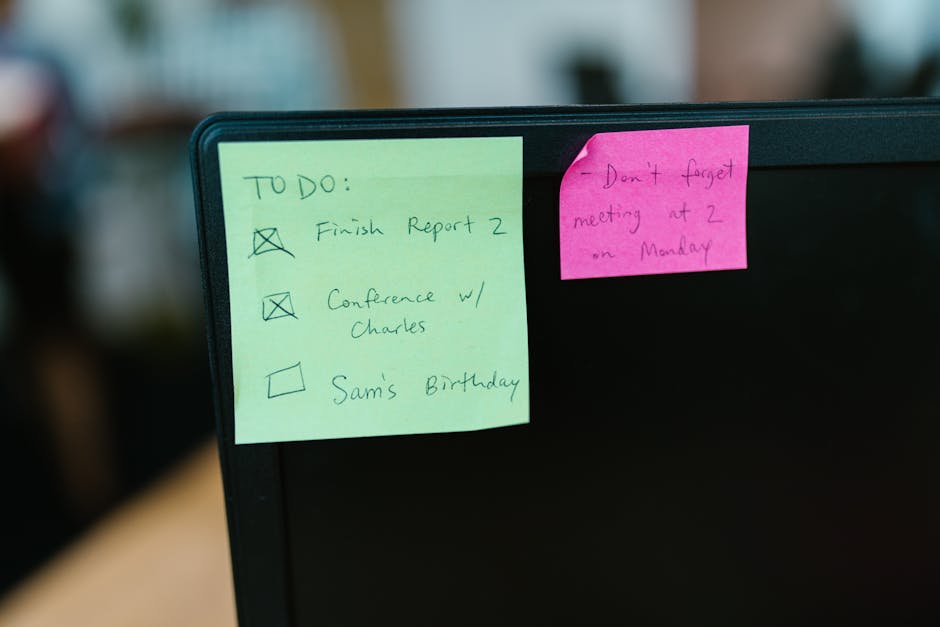
- Create a grouped errand list on a notepad or your phone before heading out.
- Place your keys in the designated bowl every time you enter the apartment.
- Consider laying out your bags the night before, ready to grab and go.
By implementing these three simple checks, I can leave the apartment with confidence. When I take just a moment to prepare, I avoid the last-minute scramble that often leads to missed buses or forgotten items. This routine allows me to reclaim those five minutes, transforming them from chaos to clarity, especially on busy days when every second counts.
The Outcome of Repeated Better Choices
After implementing small adjustments to my daily routine, I find myself arriving at the bus stop with a few extra minutes to spare. This change is largely due to my decision to organize tasks in advance, such as creating a grouped errand list on my phone. Each time I prepare for a grocery trip, I jot down the items I need and the order in which they are located in the store. This not only saves time during the shopping itself but also reduces the mental load of remembering what to buy.
In the past, I often felt rushed, scrambling to find my keys or gather bags before heading out. Now, I make it a point to place my keys in a designated bowl on the entry shelf every time I enter the apartment. This simple act ensures that they are always in the same spot, ready for me to grab as I head out the door. By laying out my bags the night before, I eliminate the last-minute chaos that used to accompany my morning commute.
As I step onto the bus, I notice a significant shift in my mindset. Instead of feeling frazzled, I’m in control of my day. The extra time allows me to check my transit alert, confirming that my route is on schedule, rather than discovering it after I’ve already put on my shoes. This smoother routine not only enhances my commute but also sets a positive tone for the rest of my day. Each small choice compounds into a larger sense of order, making the daily logistics of apartment living feel less overwhelming.
As I stand by the entry shelf, bags piled high and a jumble of tasks scattered across the surface, I realize that the small choices I make are crucial in maintaining my intention amidst the chaos of city living. Each time I skip the simple act of grouping my errands into one cohesive list, I feel the weight of disorganization creeping in. The grocery trip becomes a last-minute scramble, and I often forget essential items, which only adds to the stress of my daily life logistics.
To combat this, I’ve started taking a moment each evening to jot down a grouped errand list on my phone. It’s a small adjustment that transforms my mornings. When I wake up, I know exactly what I need to do, reducing the chances of leaving the apartment in a rush. This intentional planning not only streamlines my errands but also reinforces the habit of living with purpose. Next time I reach for my keys, I’ll remember to check that list first, ensuring that I step out the door with clarity and direction.