- Get link
- X
- Other Apps
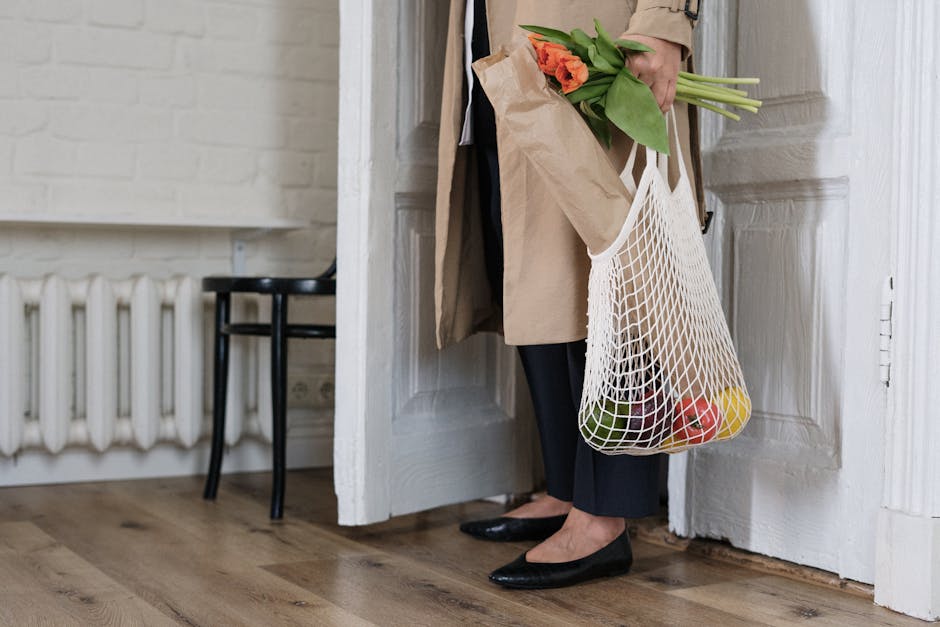
As the clock ticks toward 8 AM on a Wednesday, the entryway of a small apartment is a flurry of activity. A half-packed grocery bag sits on the shelf next to a pile of mail, while a forgotten laundry card lies buried at the bottom of a cluttered purse. The keys, usually dropped into a designated bowl, are instead perched precariously on the edge of the shelf, a small but significant oversight. This moment, balancing between the rush of a busy weekday and the intention to live organized, highlights how easily daily life logistics can slip into chaos.
With the door wide open and the morning light streaming in, the routine of grabbing essentials turns into a scramble. The bags aren’t ready; the laundry card isn’t in the wallet, and the reminder to check for it before heading out is lost amid the noise of the day. Each misstep compounds the friction, making it harder to maintain the intention behind a well-planned schedule. The physical setup of the entryway, cluttered and disorganized, mirrors the scattered thoughts racing through the mind, leaving little room for the focused living that was meant to guide the day.
The Moment When Intentionality Falters
Stepping into the apartment after a long day, the entryway feels like a chaotic crossroads. The keys, usually dropped into a designated bowl, are now lost among a jumble of mail and receipts scattered across the shelf. This small disorganization creates a ripple effect; without those keys in hand, the entire evening plan feels uncertain. The grocery bags, intended for tomorrow's errands, sit untouched by the door, a reminder of the day's busyness that left no room for preparation.
As the clock ticks closer to evening, the urgency of the moment amplifies. The laundry card, crucial for the next load, is nowhere to be found in the wallet. A quick mental check reveals that it was never placed there after the last trip to the laundromat. This oversight, combined with the cluttered entry, transforms a simple grocery run into a frantic search for essentials. The physical setup of the apartment entry, filled with unfiled papers and misplaced items, mirrors the scattered thoughts racing through the mind.
To regain some control, a quick routine check is essential: before stepping out, take a moment to ensure the bags are packed and the laundry card is in the wallet. This simple action can save precious time and reduce stress, making the next day's errands feel less daunting. However, in the rush of daily life, these small but necessary adjustments often get overlooked, leaving the intention of a well-organized life feeling just out of reach.
The Small Mistake That Escapes Notice
In the chaos of a busy weekday, the apartment entry shelf becomes a battleground of forgotten items. This morning, as I prepare for a grocery trip, I realize the laundry card is not tucked in my wallet. A quick glance reveals it’s still sitting on the cluttered kitchen counter, buried beneath a stack of unopened mail. This small oversight means I’ll have to make a second stop after the grocery run, adding unnecessary time to my already packed schedule.
While I stand there, my eyes dart to the bowl where I usually drop my keys. Instead, they’re in a different bowl across the room, hidden under a pile of receipts. This misplacement triggers a frantic search as I mentally map out the time I’ll lose. I can already picture the clock ticking down as I shuffle through drawers, wasting precious moments I could spend checking off my errand list.
To counteract these slip-ups, I’ve started a quick routine: before heading out, I check the entry shelf. I’ve made it a habit to place my keys in the same bowl every time, and I’ve set a door-side reminder on my phone to double-check for the laundry card. It’s a small adjustment, yet in the whirlwind of city life, it’s easy to overlook. As I juggle errands, the physical setup of my space directly impacts my ability to live with intention, making it clear that these minor mistakes can spiral into larger disruptions in daily life.
This same friction shows up again in Apartment Living Tips Us, especially when the day tightens unexpectedly.
What Happens When Routine Breaks Down
On a busy weekday, the moment I realize my keys are missing sends my heart racing. I had planned to leave the apartment by 8:15 AM to catch the bus, but now I’m rummaging through the entry shelf, where I usually keep my essentials. Instead of my keys, I find an old grocery receipt and a forgotten laundry card. This frantic search consumes precious minutes, and as I finally locate my keys behind a stack of mail, I hear the distant rumble of the bus pulling away. Missing that bus means I’ll have to wait an extra 15 minutes, throwing my entire schedule off balance.
The ripple effect of this small mistake becomes painfully clear as I rush out the door. My grocery trip, which should have been a quick stop, morphs into a chaotic dash through the aisles. In my haste, I forget to grab the milk and bread—two essentials for the week. As I stand in line, I mentally kick myself for not double-checking my list before leaving, a simple step that could have saved me from this rushed errand. The misalignment between my physical setup and my routine has led to a cascade of errors, leaving me scrambling to adjust my plans for the rest of the day. Living with intention feels increasingly elusive when the smallest disruptions can lead to larger consequences in city life. A Quick Fix for Daily Friction At the entrance of my apartment, a small shelf serves as a drop zone for keys, grocery lists, and my laundry card. However, when I rush out the door during a busy weekday, the chaos of misplaced items often disrupts my routine. Instead of simply dropping my keys into the designated bowl, I find them buried under a pile of mail or resting on the counter, leading to frantic searches that eat up precious minutes. This misalignment between my physical setup and my daily habits creates unnecessary friction, making it harder to stay intentional about my errands.
To streamline my exit and minimize these disruptions, I’ve started placing a small reminder note on the door itself. It reads, "Check for keys, laundry card, and grocery list!" This simple action has transformed my routine. By glancing at the note before I leave, I can ensure that I have everything I need for the day ahead. Now, when I reach for the door handle, I pause just long enough to double-check the items I’m carrying, significantly reducing the chances of leaving something important behind.
Incorporating this small adjustment has made a noticeable difference in my daily life. I’ve also noticed that my grocery trips are less rushed and more focused, as I’m no longer scrambling to remember what I need. The act of placing my keys in the same bowl each time, alongside the reminder, has created a smoother flow from home to errands. Living with intention feels more achievable when I can rely on a consistent setup that supports my busy lifestyle.
Recognizing Patterns That Lead to Chaos
If this pattern keeps repeating, Navigating Busy City Life extends the idea without leaving the niche.
The moment I step into my apartment after a long day, the entryway greets me with a chaotic mix of shoes, bags, and mail. Each item seems to scream for attention, but instead of settling in, I find myself overwhelmed. The clutter accumulates quickly, making it easy to forget essential items like my laundry card, which I often leave behind in the rush of the morning. This disarray not only disrupts my peace but also sets the tone for the rest of my evening.
Preparation the night before can make a significant difference. I’ve started placing my grocery bags by the door and setting my keys in a designated bowl. However, I often skip this step when I’m tired, leading to a frantic search in the morning. The result? I leave the apartment without my grocery list, which means I’m forced to recall items from memory while navigating the commute. This chaotic entryway is a reflection of my broader life logistics; if I don’t prepare, I can’t expect to live with intention.
One small change I’ve made is to check the entryway before heading to bed. I now take an extra moment to ensure that everything I need for the next day is visible and accessible. It’s a simple act, but it creates a smoother transition from home to errands. Yet, on busy nights, I find myself skipping this ritual, and the cycle continues. The friction between my intentions and reality becomes evident as I juggle the demands of city living, making it clear that a cluttered entryway is more than just a physical space—it’s a barrier to intentional living.
As I navigate the demands of a busy week, the friction between my intentions and reality often surfaces at my apartment entry. I realize that the simple act of placing my keys in the same bowl each day can create a smoother transition when I step out for errands. Yet, when I skip this step, the chaos returns; I find myself rummaging through bags or forgetting essential items like my laundry card, which should always be in my wallet.
To combat this, I’ve started leaving a small reminder on the door to check my entryway before I leave. It’s a straightforward adjustment, but it serves as a crucial checkpoint that helps me align my daily life logistics with my intentions. Living with intention in city life becomes a lot easier when I take that extra moment to prepare, turning potential chaos into a more manageable routine.
