- Get link
- X
- Other Apps
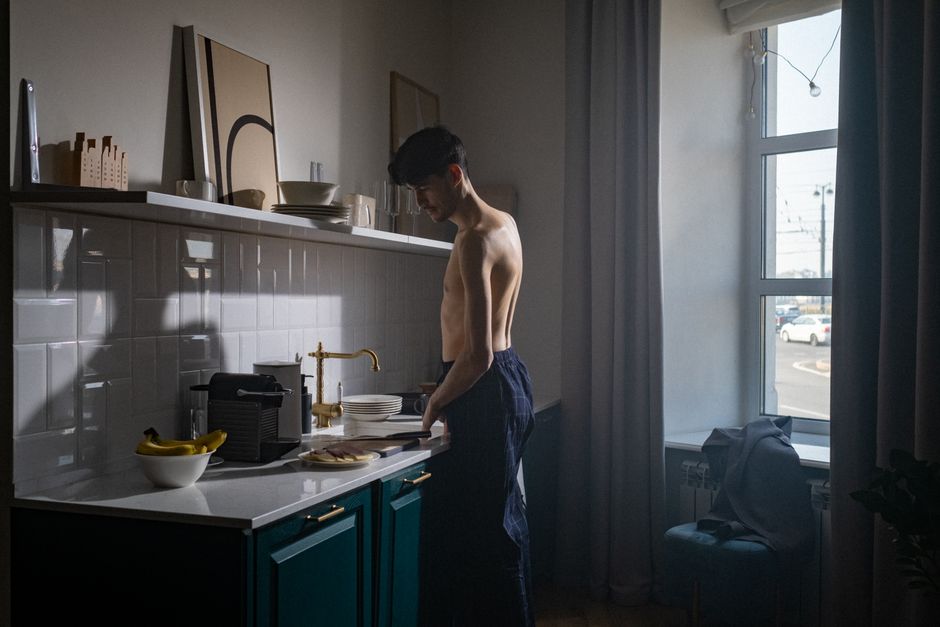
As I stand by the small table just inside my apartment door, I notice the clutter has crept back in again. Grocery bags still stuffed in the closet from last weekend's trip compete for space with a pile of laundry waiting to be folded. My transit app buzzes with a reminder about the evening commute, and I realize I haven't even placed my keys in the bowl where they belong. Instead, they’re resting on the table, half-hidden under a stray receipt and a forgotten coffee cup. This chaotic entryway has become a familiar sight, yet each time I walk in, it feels like an obstacle course.
In the rush of daily life, the small routines that keep my apartment organized often slip through the cracks. I’ve noticed that the first thing to go is the simple act of grouping errands into a list before heading out. Without that, I end up making multiple trips, wasting time and energy. The clutter builds up, and the intention behind maintaining a tidy space gets lost in the shuffle. Tonight, as I prepare for another busy day, I can’t help but wonder how to reclaim that sense of order amidst the chaos of city living.
The Default Entry Routine: A Cluttered Welcome
As I step through the door, the first thing that greets me is a jumble of grocery bags sprawled across the floor. They’re remnants of my latest grocery trip, still stuffed with items that need to be put away. The bright blue bags, once neatly arranged in my closet, now serve as a tripping hazard, competing for space with a pile of laundry that’s been waiting to be folded. It’s a familiar sight, yet each time it feels like a small defeat against the chaos of city living.
My keys, instead of finding their rightful place in the bowl by the door, are tossed haphazardly onto the counter, half-buried under a stack of mail and a forgotten coffee cup. This cluttered counter has become a catch-all for everything I don’t have time to deal with immediately. I tell myself it’s reasonable to drop everything in the moment and rush to the next task, but that mindset leads to a spiraling mess that I have to confront later. The laundry, the groceries, and the errands all seem to blend into one overwhelming pile.
In the midst of this chaos, I realize that I could save myself time and frustration by grouping my errands into a single list before heading out. If I had taken a moment to jot down my grocery needs alongside my laundry tasks, I wouldn’t be facing this cluttered entryway now. Instead, I’m left with a decision to make: do I take the time to organize this mess now, or do I let it linger until it becomes an even bigger obstacle tomorrow? The friction of daily life in my apartment is palpable, and it’s clear that without a small adjustment, I’m setting myself up for another chaotic return home.
Where the Routine Begins to Falter
This same friction shows up again in Navigating Busy City Life, especially when the day tightens unexpectedly.
As I step into my apartment after a long day, the clutter at the entryway greets me like an old friend. Grocery bags, still crammed in a closet from last week, compete for space with the laundry basket that’s slowly spilling onto the floor. I rush past this chaos, my mind already on the transit app screen flashing a notification about my next bus arrival. The urgency of the moment pulls me away from the disarray, but it’s precisely this hurried exit that leads to my first mistake: forgetting to grab my keys from the bowl on the counter.
In the rush, I also overlook the grocery list I intended to make, which would have grouped my errands into a single, manageable trip. Instead, I find myself standing on the corner of my city block, mentally scrambling to recall what I needed from the store. The laundry and grocery items blend into an overwhelming mental list, and the pressure builds as I realize I might have to make a second trip later. The friction of daily life in my apartment reveals itself clearly; without a moment to reset my space and establish a routine, I’m left with a chaotic entryway and a scattered mind. I know I need to take a breath and prioritize placing my keys in the bowl every time I come home, but that small adjustment feels lost in the shuffle of my busy day.
A More Workable Alternative: Intentional Setup
A slightly different version of this problem appears in Apartment Living Tips Us, where the sequence changes but the hidden drag feels familiar.
Returning home after a long day, I often find myself juggling grocery bags and laundry, with my keys buried somewhere in the chaos. The entryway of my apartment becomes a drop zone where everything competes for space. This clutter not only makes it hard to find what I need but also adds to the mental load of my day. A simple adjustment could streamline this process significantly: designating a specific bowl for my keys. Placing them there consistently means I’ll always know where they are, eliminating the frantic search when I’m ready to leave.
To build on this, I’ve started grouping my errands into a single list, which I keep pinned to the fridge. This way, I can quickly glance at it before heading out, ensuring I don’t forget any essentials. Instead of making multiple trips for laundry and groceries, I can tackle them in one go. I also set aside a dedicated spot in the closet for grocery bags, making them easily accessible and preventing them from getting lost among other items. This small organizational tweak means I can grab them without rummaging through clutter.
When I take a moment to reset my entryway, the difference is palpable. I can walk in, drop my keys in the bowl, grab my grocery bags, and check my errand list all in one fluid motion. This intentional setup not only saves time but also reduces the mental clutter that comes from a disorganized space. However, the challenge remains: maintaining this system amidst the busyness of city living. The friction of daily life can easily disrupt these small routines, but I’m committed to making this intentional setup a regular part of my day.
The Tradeoff: Time vs. Convenience
Resetting my apartment entryway takes time, especially when I’m juggling laundry and grocery items. I often find myself standing at the threshold, keys in hand, staring at the cluttered surface where bags and jackets compete for attention. This moment of indecision can easily lead to a rushed exit, where I forget to grab my grocery bags tucked away in the closet. The initial effort to organize this space feels like a luxury I can’t afford on busy days.
However, the potential for a smoother daily routine is undeniable. When I take a few minutes to designate a bowl for my keys and a specific spot for my grocery bags, I create a small but significant shift in my apartment. The next morning, I can walk in, drop my keys in the bowl, and immediately see my errand list pinned to the wall. No more scrambling to find bags or mentally checking off items I forgot to grab. This setup streamlines my entry and exit, making it easier to tackle the day.
Yet, there’s always the risk of slipping back into old habits. On particularly hectic days, I might skip the reset, leaving my keys on the counter and my grocery bags buried in the closet again. The convenience of a quick grab-and-go routine tempts me to forgo the intentional setup that requires a few extra moments. Still, I remind myself that the tradeoff is worth it; the mental clarity that comes from an organized entryway helps me navigate the chaos of city living more effectively.
When Intentional Living Fits Best
Weekdays often bring a rush that can overshadow the best intentions. As I stand in my small apartment, the transit app screen flickering with arrival times, I notice the laundry basket competing for space with grocery bags still tucked away in the closet. On busy mornings, I tend to grab my keys and rush out, leaving behind the carefully placed errand list pinned to the wall. This hurried routine makes it easy to forget the grocery items I planned to pick up on the way home.
In contrast, weekends offer a chance to reset. I can take a moment to sort through my errands, laying out the grocery bags next to the laundry basket. This visual cue reminds me to check off items from my list before heading out. By grouping errands, I can streamline the process: first, I grab the laundry, then the grocery bags, all while ensuring I have my keys in hand. This small adjustment makes the chaos of city living feel more manageable.
Timing is essential; if I plan my grocery trips right after work, I can avoid the evening rush. However, if I skip the reset, it’s easy to slip back into the old habit of leaving my keys on the counter and my bags hidden away. The tradeoff is clear: a little extra effort during the week can lead to a smoother weekend, but it requires a conscious choice to maintain that intentional setup amidst the daily grind.
As I look at the cluttered entryway, it's clear that the small adjustments I make throughout the week can slip away if I'm not careful. The grocery bags still tucked in the closet remind me of the errands I meant to run, but without a designated spot for my keys or a clear list, those tasks can easily fall off my radar. Each evening, I can choose to take a moment to reset this space, placing my keys in the bowl by the door and laying out the grocery bags next to the laundry basket. This simple act not only clears the physical space but also sets me up for a smoother morning.
Living with intention in a busy apartment means recognizing that the friction of daily life can obscure my goals. If I want to keep that intentionality in my routine, I need to make it a habit to check that entryway every night. A quick glance at my grouped errand list can help me remember what needs to be done. By committing to this small practice, I can ensure that my intentions don’t get lost in the shuffle of city living.
