- Get link
- X
- Other Apps
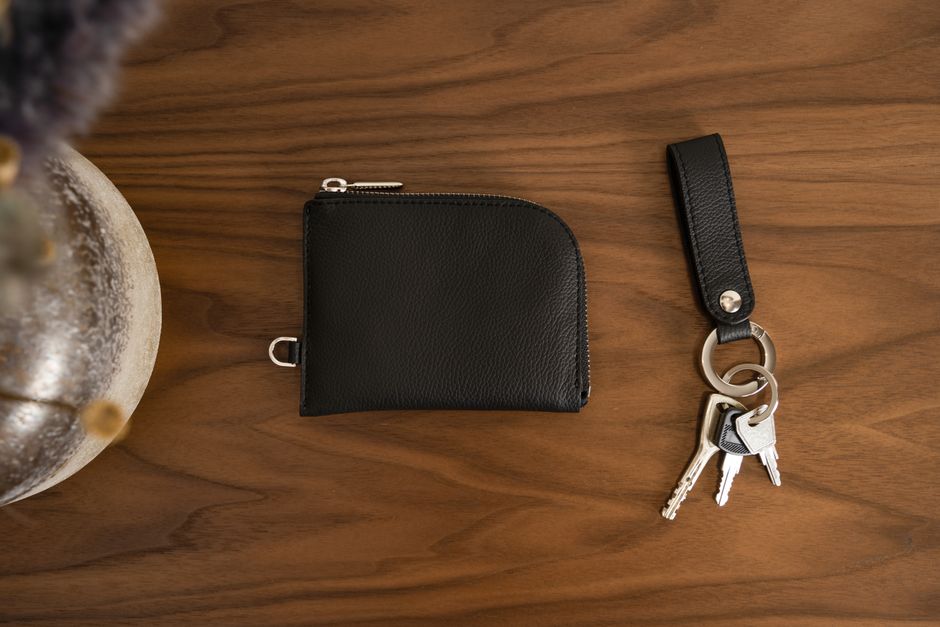
As the evening light fades, the small kitchen counter in my city apartment becomes cluttered with the remnants of a busy day. Grocery bags, still crumpled from their last trip, sit in a closet, waiting to be reused, while my keys have drifted from their designated hook to a nearby table. I glance at my transit app, a reminder that I need to check the schedule for tomorrow's commute, but the urge to tidy up pulls me in another direction. The surface is a jumble of life logistics, and I can feel the weight of unfinished errands pressing down on me.
This moment of resetting is not just about clearing space; it highlights a small but significant friction in my daily routine. Each time I neglect to return the keys to their hook or forget to group errands into a single trip, I lose sight of my intention to live purposefully. The grocery list I meant to compile is still an afterthought, and the reusable bags remain tucked away. These small choices, made in the rush of an ordinary weekday, subtly shift my focus away from living with intention, making it easier to let the day slip by without the clarity I strive for.
The Pressure of Evening Errands
The kitchen counter is a chaotic mix of mail, empty coffee cups, and a half-unpacked reusable grocery bag. It’s an ordinary weekday evening, and I’m trying to carve out a moment to prepare for tomorrow. As I sift through the clutter, I spot my keys lying on the edge of the counter, dangerously close to slipping off into a pile of receipts. Just a few feet away, my phone buzzes with a notification from the transit app, reminding me to check the schedule for my morning commute. But instead, I’m pulled into the mess, feeling the pressure of unfinished errands weighing on me.
Each evening, I tell myself it’s crucial to group errands into a single trip, yet I find myself rushing out the door with only half the items I need. The grocery bags, still tucked in the closet, are a reminder of my scattered approach. I could have easily grabbed them while I was preparing dinner, but the distraction of the clutter kept me from acting. Now, as I stand in the kitchen, I realize that these small decisions—like where to place my keys or when to check my transit app—are not just about organization; they directly impact my ability to live with intention. Tomorrow’s tasks loom larger than necessary, and the evening slips away, leaving me feeling unprepared and unfocused. What Gets Skipped When Time Is Tight? As I prepare to head out for an evening grocery run, I glance at my phone, but the thought of checking the transit app feels like an unnecessary delay. I grab my keys from the table, but in the rush, they slip from my fingers and land on a cluttered surface instead of the designated hook by the door. This choice, made in the heat of the moment, seems trivial, yet it sets off a chain reaction that complicates my evening.
The temptation to skip that quick app check stems from the pressure of time; I want to get to the store before it closes. However, without knowing the best route, I might end up waiting longer than necessary for a bus. Meanwhile, as I fumble through the clutter to find my keys, I notice the reusable grocery bags still tucked away in the closet. This oversight adds another layer of stress to my errands. If I had taken a moment to check my transit app and ensure my keys were in their proper place, I could have streamlined my trip and reduced the friction of last-minute scrambling.
Now, I’m left with the nagging realization that small choices—like where I place my keys or whether I check my transit app—can significantly impact my ability to navigate daily life with intention. The evening feels more chaotic than it needs to be, and I can’t help but wonder how often I let these minor decisions slip through the cracks.
The Cost of Rushed Decisions
This same friction shows up again in Navigating Busy City Life, especially when the day tightens unexpectedly.
As I glance at the clock, I realize I have only ten minutes before the bus arrives. The frantic pace of my evening routine kicks in. I grab my bag, but my keys are nowhere to be found. I check the cluttered kitchen counter, then the living room table, only to discover they’ve drifted to the entryway. This last-minute scramble not only delays my departure but also means I’ll likely miss the bus. The consequence? A longer commute and a sense of chaos that spills over into my evening.
In my rush, I also remember the reusable grocery bags are still tucked away in the closet. I had planned to pick up a few items on my way home, but now I must choose between returning to the apartment to grab them or making an unplanned trip later. This oversight adds another layer of stress to my evening errands. If I had taken a moment to organize my entryway and check my bag before heading out, I could have streamlined my trip and avoided this unnecessary complication. The simple act of placing my keys in a designated spot and ensuring my bags were ready would have made a noticeable difference in how I navigate my evening errands.
A Better Way to Group Errands
A slightly different version of this problem appears in Apartment Living Tips Us, where the sequence changes but the hidden drag feels familiar.
Evening errands can quickly turn chaotic when keys migrate to different surfaces, making it hard to find them in a rush. Just last week, I spent precious minutes hunting for my keys, which had somehow ended up on the kitchen counter instead of the designated hook by the door. This small oversight cost me time and led to a missed bus, forcing me to wait longer for the next one while I mentally replayed my evening plans.
Instead of scrambling at the last minute, I’ve started creating a grouped errand list on my phone, which I check before I leave the apartment. This simple act allows me to consolidate trips, like picking up groceries and dropping off a package, into one smooth outing. I also check the transit app to see the best route and timing, ensuring I’m not just rushing out the door. On days when I’m particularly busy, this organized approach helps me maintain my intention to live mindfully, allowing me to navigate the city block with purpose rather than chaos. By taking a moment to prepare, I can avoid the unnecessary stress of forgetting essential items and keep my evening on track. Repeating Better Choices for Consistency Evening routines can quickly devolve into chaos when keys end up on the kitchen counter instead of the designated hook by the door. This clutter not only disrupts the flow of my night but also eats into precious time I could spend unwinding. By making a conscious effort to return my keys to the hook as soon as I enter the apartment, I create a smoother transition from the busy city block to my home. This simple habit reduces the mental load of searching for misplaced items, allowing me to focus on preparing for the next day.
Each night, I take a moment to gather my reusable grocery bags and place them by the door, ready for the next trip. This small action prevents me from scrambling to find them last minute, which often leads to forgetting other essentials. With my phone, I check my grouped errand list to confirm what I need to accomplish tomorrow. By consolidating tasks, like picking up groceries and returning a library book, I streamline my outings and ensure I’m not rushing out the door without a plan.
This consistency not only clears physical space but also creates mental clarity. I find that with less clutter, I have more time to relax and prepare for the next day, turning my apartment into a sanctuary rather than a source of stress. The tradeoff is simple: by investing a few moments in organization now, I gain a smoother evening routine and a more intentional approach to my daily life.
As I prepare for the next day, I notice my keys have drifted to the kitchen counter instead of their usual spot by the door. This small oversight can lead to a frantic search in the morning, throwing off my intention to start the day calmly. I take a moment to return them to the designated hook, a simple act that reinforces my commitment to keeping my space organized. With my reusable grocery bags now visible and ready, I can focus on what truly matters during my busy days.
Before heading to bed, I pull out my phone to check the transit app and confirm the best route for my morning commute. This quick check allows me to plan my errands efficiently, ensuring I can tackle everything on my grouped errand list without feeling rushed. By making these small adjustments, I reclaim control over my daily life, turning my apartment into a space that supports my intentions rather than complicating them.
